
Destination or Hotel
Departure airport
Travel dates
Nights
Guests
Destination or Hotel
Departure airport
Travel dates
Nights
Guests
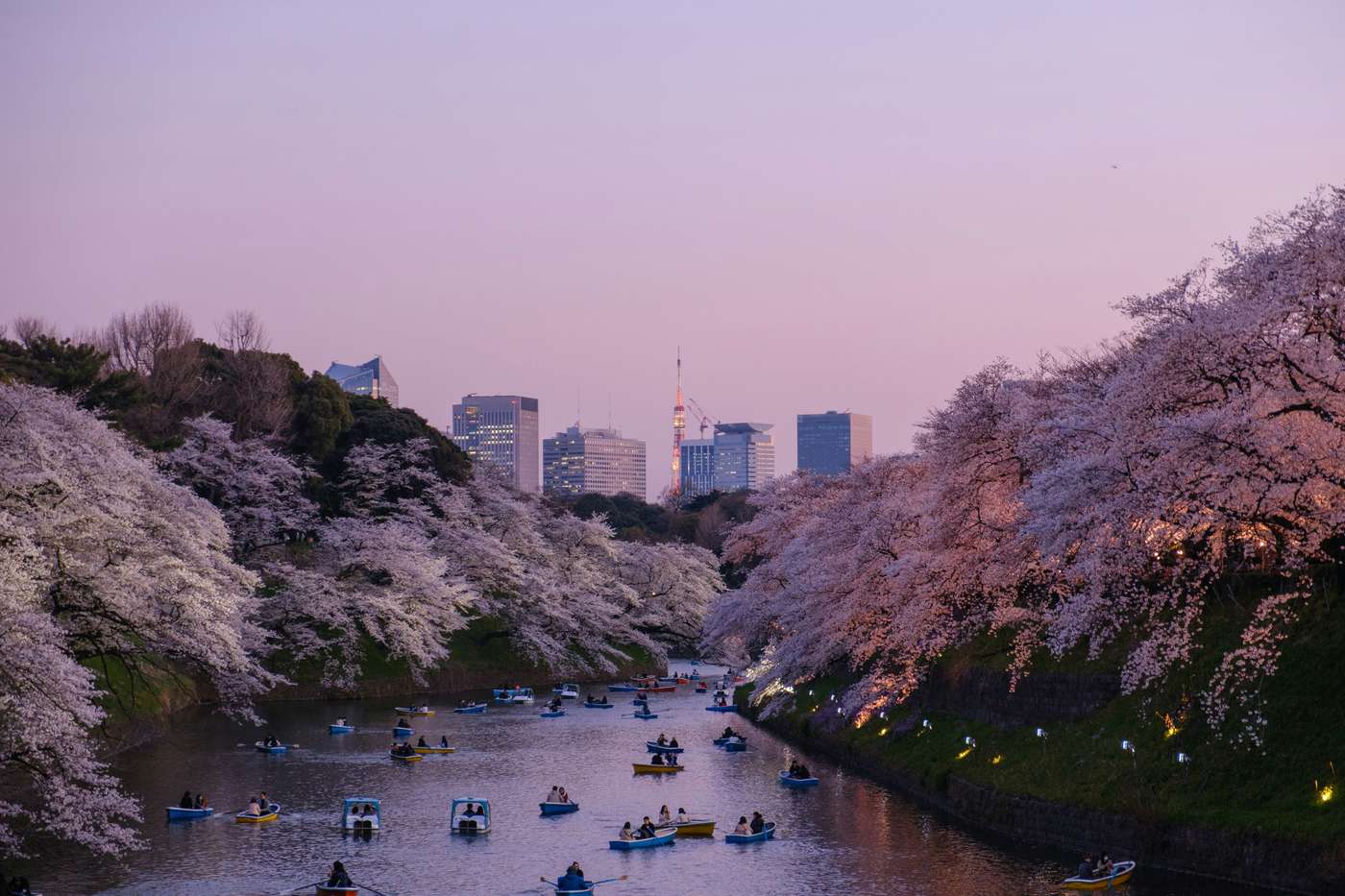
Tokyo, the capital of Japan, is where tradition meets tech, sushi meets skyscrapers, and cherry blossoms meet neon lights. This buzzing metropolis offers something for everyone.
Tokyo Holiday Highlights
Skyline views that look straight out of a sci-fi movie
Sushi, ramen and street food you'll still be thinking about on the flight home
Cherry blossom parks, ancient temples and futuristic city vibes all in one place
Ridiculously efficient trains that somehow make the London Underground look prehistoric
Anime, arcades and gaming districts that are basically adult playgrounds
The best places to visit in Tokyo
Tokyo isn’t just one giant city – it’s a patchwork of completely different neighbourhoods, each with its own vibe. Whether you’re after nightlife, food, shopping or quieter cultural spots, here are some of the best areas to explore on your Tokyo holiday.
Shibuya
The Tokyo you’ve seen on TikTok. Giant crossing, flashing billboards, rooftop bars and shopping streets that stay busy long after midnight. Great for first-timers who want to be right in the middle of the action.
Shinjuku
Bright lights, karaoke bars, tiny late-night ramen joints and some of Tokyo’s best nightlife. It’s chaotic in the best possible way, with massive department stores by day and neon madness after dark.
Asakusa
One of Tokyo’s most traditional areas, home to Senso-ji Temple, old-school snack stalls and quieter streets that feel worlds away from the skyscrapers. Brilliant for culture lovers and first-time Japan trips.
Akihabara
Anime, gaming, retro arcades and enough electronics shops to keep tech lovers busy for days. If you’ve ever wanted to spend three hours inside a claw-machine arcade, this is your moment.
Ginza
Luxury shopping, sushi counters, rooftop cocktail bars and polished city vibes. Think designer stores, sleek hotels and some of Tokyo’s best food spots.
Ueno
Relaxed, green and packed with museums, markets and family-friendly attractions. Ueno Park becomes one of the city’s best cherry blossom spots in spring.
Odaiba
Tokyo’s futuristic waterfront playground with shopping malls, entertainment complexes and huge views across Tokyo Bay. Great for families and groups.
Where is the best area to stay on your Tokyo holidays 2026?
Tokyo is massive, but picking the right neighbourhood makes a huge difference. Whether you want nightlife, food, family-friendly attractions or a quieter base, here’s where to stay depending on your travel style.
Family holidays - For family-friendly hotels, easier transport links and loads to do nearby, Ikebukuro and Ueno are brilliant picks. You’ll have parks, shopping centres, arcades and easy train access without feeling quite as hectic as central Shibuya.
Groups - If your holiday plans involve karaoke at 2am, neon-lit bars and convenience store snack runs after a night out, Shinjuku is where it’s at. Shibuya’s another top choice if your group wants nightlife, shopping and rooftop bars all within walking distance.
Couples - For couples, Ginza and Asakusa strike a great balance between romantic city vibes and quieter evenings. Think sushi dinners, riverside walks, cocktail bars and temples lit up at night.
Good to know
🤩 Fun fact: Tokyo has more Michelin-starred restaurants than any other city in the world.
🌸 Best season to visit: Late March to early April for cherry blossom season, or October and November for cooler weather and autumn colours.
💴 Money Talk(s): Tokyo can be surprisingly affordable if you eat like a local. A ramen bowl is usually around £5-8, convenience store snacks are cheap and brilliant, and train journeys within the city often cost less than £2.
🚆 Transport tip: Grab a Suica or Pasmo travel card as soon as you land, they make trains, subways and even convenience store shopping ridiculously easy.
Local lingo
Hello - Konnichiwa
Thank you - Arigatou gozaimasu
Excuse me - Sumimasen
Goodbye - Sayonara
Where is the station? - Eki wa doko desu ka?
How much is this? - Kore wa ikura desu ka?
Tokyo Hotels 2026 / 2027
Tokyo hotels range from sleek skyscraper stays with skyline views to compact city hotels right by the train stations. Whether you want a lively Shinjuku base, a quieter local neighbourhood or easy airport access, there’s a Tokyo stay with your name on it.
Couples
Citadines Shinjuku Tokyo - Modern apartments in one of Tokyo’s most exciting neighbourhoods, with loads of restaurants, bars and late-night food spots nearby. Great if you want a stylish base with a little extra space.
Tobu Hotel Levant Tokyo - A polished hotel with incredible Tokyo Skytree views and excellent transport links. Ideal for couples who want quieter evenings without being far from the city buzz.
Families
Metropolitan Tokyo Ikebukuro - A family-friendly pick with spacious rooms by Tokyo standards, direct transport links and loads of nearby shopping and dining. Ikebukuro’s also great for arcades and entertainment without the intensity of Shinjuku.
the b suidobashi - A handy base near Tokyo Dome City and family attractions, with easy subway access for exploring the rest of the city.
Value
APA Hotel Asakusabashi Eki-Kita - Compact, affordable and well-connected for exploring Tokyo on a budget. A great choice if you’re planning to spend most of your time out exploring.
Daiwa Roynet Hotel Nishishinjuku - Modern rooms, excellent transport connections and a quieter location close to central Shinjuku. A solid mid-range option for city breaks.
Tokyo Holidays 2026 / 2027 – Travel Guide
Things to do for Families
Tokyo Disneyland & DisneySea - One of the biggest reasons families visit Tokyo. DisneySea is unique to Japan and regularly ranked among the best theme parks in the world.
teamLab Planets - An immersive digital art experience where you walk through water, mirrored rooms and giant light installations. Kids absolutely love it.
Ueno Zoo and Park - A relaxed break from the skyscrapers with museums, green spaces and family-friendly attractions all in one area.
Tokyo Skytree - Japan’s tallest structure with panoramic city views that stretch for miles on clear days.
Things to do for Couples
Cherry blossom picnics - If you’re visiting in spring, grab snacks from a convenience store and head to Shinjuku Gyoen or Ueno Park for a hanami picnic under the blossoms.
Sunset views from Shibuya Sky - One of the best observation decks in the city, especially at golden hour when the skyline starts lighting up.
Sushi omakase dinner - Tokyo’s food scene is ridiculous, and an omakase sushi experience is one of the city’s best date nights.
Traditional onsen day trip - Escape the city crowds with a hot spring trip to Hakone or nearby mountain towns.
Things to do for Groups
Karaoke nights in Shinjuku - Private karaoke rooms, late-night snacks and questionable singing decisions, basically a Tokyo rite of passage.
Golden Gai bar hopping - Tiny themed bars packed into narrow alleyways in Shinjuku. Brilliant for groups wanting a proper Tokyo night out.
Arcade battles in Akihabara - Retro games, claw machines and multi-floor gaming centres that turn into full-on competitions with your mates.
Street food tours - From sizzling yakitori to fluffy Japanese pancakes, food tours are one of the best ways to experience Tokyo after dark.
More Long Haul Holiday Destinations
Southeast Asia
Thailand
One of Southeast Asia’s most popular holiday destinations for good reason – think island-hopping in Phuket and Krabi, buzzing Bangkok street markets and beach resorts that range from budget-friendly to properly luxurious.
Vietnam
A brilliant mix of culture, coastline and food. Explore Hanoi’s Old Quarter, cruise through Ha Long Bay or head south to Ho Chi Minh City for rooftop bars, markets and seriously good street food.
Indonesia
Bali steals the spotlight with beach clubs, jungle temples and surf towns, but Indonesia’s made up of thousands of islands with volcano hikes, diving spots and laid-back escapes beyond the usual tourist trail.
Malaysia
A destination that does both city breaks and tropical beaches brilliantly. Kuala Lumpur brings the skyline views and food markets, while Langkawi and Penang are favourites for island stays and street food.
Popular Tokyo hotels
More Tokyo hotelsWeather in Tokyo
JAN
FEB
MAR
APR
MAY
JUN
JUL
AUG
SEP
OCT
NOV
DEC
View destination on a map
View destination on a map
FAQs
How much does a trip to Tokyo usually cost?
How much does a trip to Tokyo usually cost?
Tokyo has a reputation for being expensive, but it can actually suit a wide range of budgets depending on where you stay, how often you eat out and what you plan to do.
Average Tokyo holiday costs from the UK
Trip Style | Average Cost Per Person (7 Nights) |
Budget | £1,200 - £1,600 |
Mid-range | £1,700 - £2,500 |
Luxury | £3,500+ |
Typical daily costs in Tokyo
Item | Average Price |
Ramen or casual lunch | £5-10 |
Sushi restaurant dinner | £15-40 |
Convenience store breakfast | £3-6 |
Tokyo subway journey | £1-2 |
Coffee | £3-5 |
Hotel room | £80-300+ per night |
Ways to save money in Tokyo
Stay near major train stations like Shinjuku or Ikebukuro for easier transport
Use convenience stores for breakfasts and snacks
Book flights outside cherry blossom season
Buy a Suica or Pasmo travel card for public transport
Visit free attractions like temples, parks and observation decks
Despite the futuristic skyline and luxury shopping districts, Tokyo can often feel cheaper day-to-day than London once you arrive.
What's the best month to visit Tokyo?
What's the best month to visit Tokyo?
The best time to visit Tokyo depends on the kind of trip you want, but most travellers aim for spring or autumn when temperatures are comfortable and the scenery is at its best.
Best months to visit Tokyo
Month | Why Visit? | Weather |
March | Cherry blossom season begins | Mild |
April | Peak sakura season and festivals | Warm |
May | Sunny weather and fewer crowds | Pleasant |
October | Autumn colours and cooler temperatures | Comfortable |
November | Crisp weather and clear skies | Cool |
Best season for different travellers
🌸 Cherry blossom season
Late March to early April is Tokyo’s most famous travel period, with parks like Ueno Park and Shinjuku Gyoen covered in pink blossom.
☀️ Warm weather and sightseeing
May and October are often considered the sweet spot, with lower humidity and comfortable temperatures for exploring.
❄️ Winter city breaks
December brings festive illuminations, quieter attractions and clear views of Mount Fuji on colder days.
💰 Cheapest time to visit
January, February and early June are usually cheaper for flights and hotels compared to spring and autumn peak periods.
What is the typhoon season in Tokyo?
What is the typhoon season in Tokyo?
Tokyo’s typhoon season usually runs from August to October, with September being the most active month.
Typhoons are tropical storms that can bring:
Heavy rain
Strong winds
Flight delays
Temporary train disruptions
Most typhoons pass without major issues for tourists, but weather conditions can occasionally affect transport and outdoor sightseeing plans.
What to expect during typhoon season
Month | Typhoon Risk |
June | Low |
July | Moderate |
August | High |
September | Highest |
October | Moderate |
Is it still worth visiting Tokyo during typhoon season?
Yes, many travellers still visit during late summer because:
hotel prices can be lower
crowds are smaller
festivals are still running
indoor attractions are excellent
Tokyo is also very well prepared for severe weather, and disruptions are usually handled quickly.
Is Tokyo good for a first trip to Japan?
Is Tokyo good for a first trip to Japan?
Tokyo is one of the easiest cities in Asia for first-time visitors thanks to its excellent transport, safety and tourist-friendly infrastructure.
Why Tokyo works well for first-time Japan holidays
🚆 Easy transport
The train and subway network is clean, reliable and extremely efficient, with English signage across most stations.
🍣 Food variety
You’ll find everything from Michelin-star sushi restaurants to cheap ramen shops and convenience store snacks.
🛡️ Safety
Tokyo is considered one of the safest major cities in the world, even late at night.
🌸 Mix of old and new
The city combines ancient temples and shrines with futuristic skyscrapers, gaming districts and modern shopping areas.
Good to know before you go
Many hotels have smaller rooms than UK travellers may expect
Rush hour trains can get extremely busy
Cash is still useful in smaller restaurants and local shops
Convenience stores are genuinely excellent for quick meals and essentials
Tokyo can feel overwhelming at first, but most visitors quickly find it surprisingly easy to navigate.
Can you see Mount Fuji from Tokyo?
Can you see Mount Fuji from Tokyo?
Yes, you can sometimes see Mount Fuji from Tokyo on clear days, especially during winter when visibility is better.
Best places to see Mount Fuji from Tokyo
Location | What To Expect |
Tokyo Skytree | Distant skyline views on clear days |
Shibuya Sky | Sunset Fuji views in winter |
Tokyo Metropolitan Government Building | Free observation deck views |
Mount Takao | Hiking spot outside the city |
Hakone day trip | One of the best close-up Fuji views |
Best time to see Mount Fuji
Winter usually offers the clearest visibility, especially between December and February when humidity is lower.
Best day trips for Mount Fuji views
Popular day trips from Tokyo include:
Hakone
Lake Kawaguchi
Mount Fuji 5th Station
Fuji-Q Highland
These can usually be reached within 2-3 hours from central Tokyo.
What currency is used in Tokyo?
What currency is used in Tokyo?
Japan uses the Japanese Yen (JPY).
Currency symbol: ¥
Currency code: JPY
Notes: Cash is still widely used, although cards are accepted in most hotels, big restaurants and shops in Tokyo.
Quick tip
Even though Tokyo is very modern, it’s still a good idea to carry some cash for:
Small restaurants
Temples and shrines
Local shops and markets
Vending machines (they’re everywhere)
Do you need to worry about allergies in Tokyo?
Do you need to worry about allergies in Tokyo?
Tokyo is generally very safe for travellers with allergies, but food labelling and ingredients can be different from what you’re used to in the UK.
Common allergens in Japan
The most common allergens to be aware of include:
Soy (very widely used in sauces and broths)
Wheat (ramen, tempura, sauces)
Sesame
Fish and seafood (especially bonito-based broths)
Eggs and dairy (less common in traditional dishes, but present in modern food)
Important things to know
Many dishes use dashi (fish stock) even if it’s not obvious
Cross-contamination can occur in small restaurants
English allergy labelling is improving but not always consistent
Convenience stores often have clearer ingredient lists than restaurants
Safety tips for travellers with allergies
Carry a translated allergy card in Japanese explaining your restrictions
Use major restaurant chains or hotels for clearer allergen menus
Stick to packaged foods from convenience stores if unsure
Learn key phrases like:
“I am allergic to ___” → ___ ni arerugii ga arimasu
“Does this contain ___?” → Kore wa ___ ga haitte imasu ka?
Allergy-friendly dining options in Tokyo
International hotel restaurants (best for clear labelling)
Vegan/vegetarian cafés (often more allergen-aware)
Large chain restaurants with digital ordering systems
Overall
Tokyo is very safe for travellers with allergies, but you’ll need to be slightly more cautious than in the UK, especially with hidden ingredients like fish stock and soy-based sauces.
Most visitors with allergies manage perfectly well with a bit of preparation and translation support.