
Climate Overview
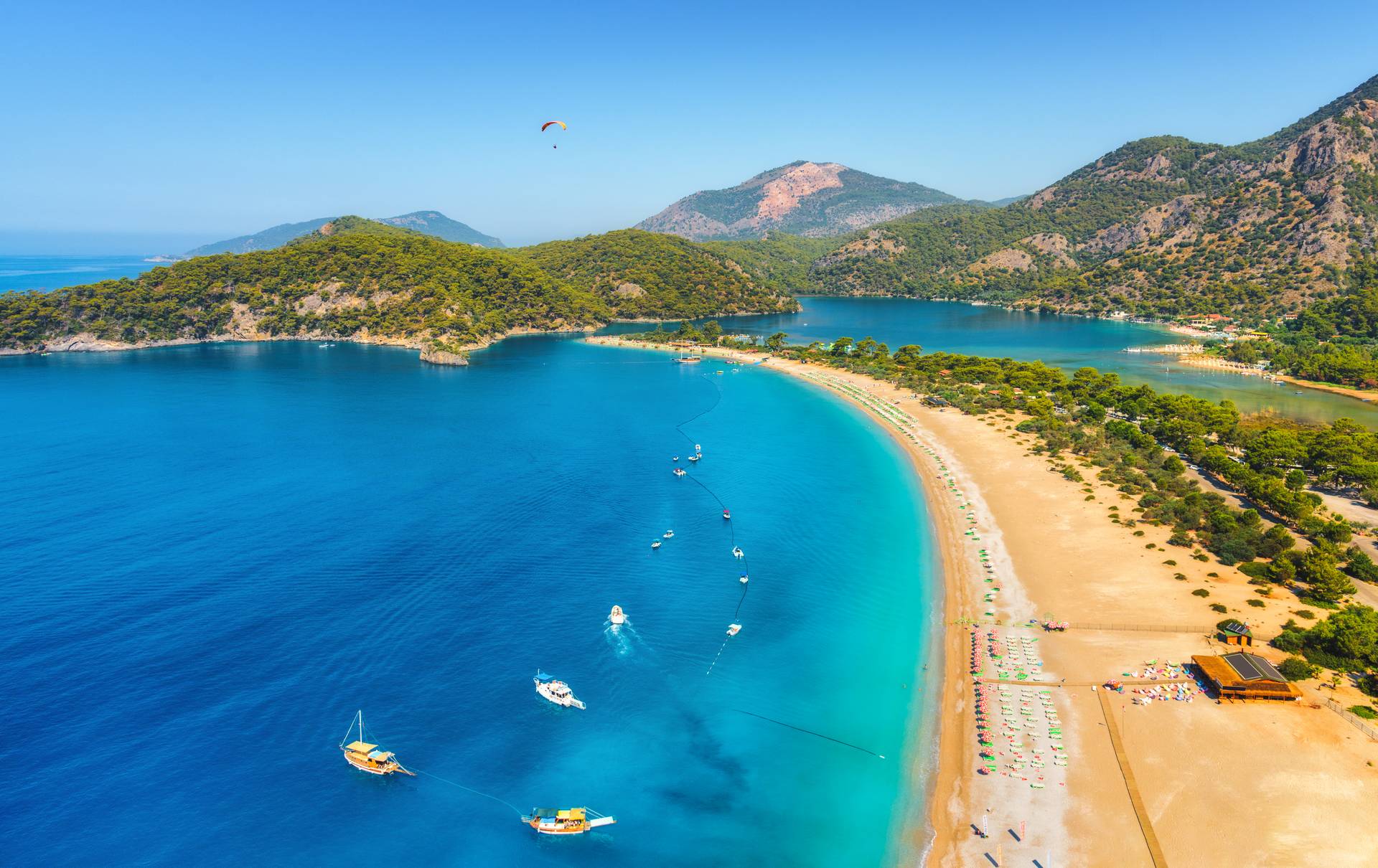
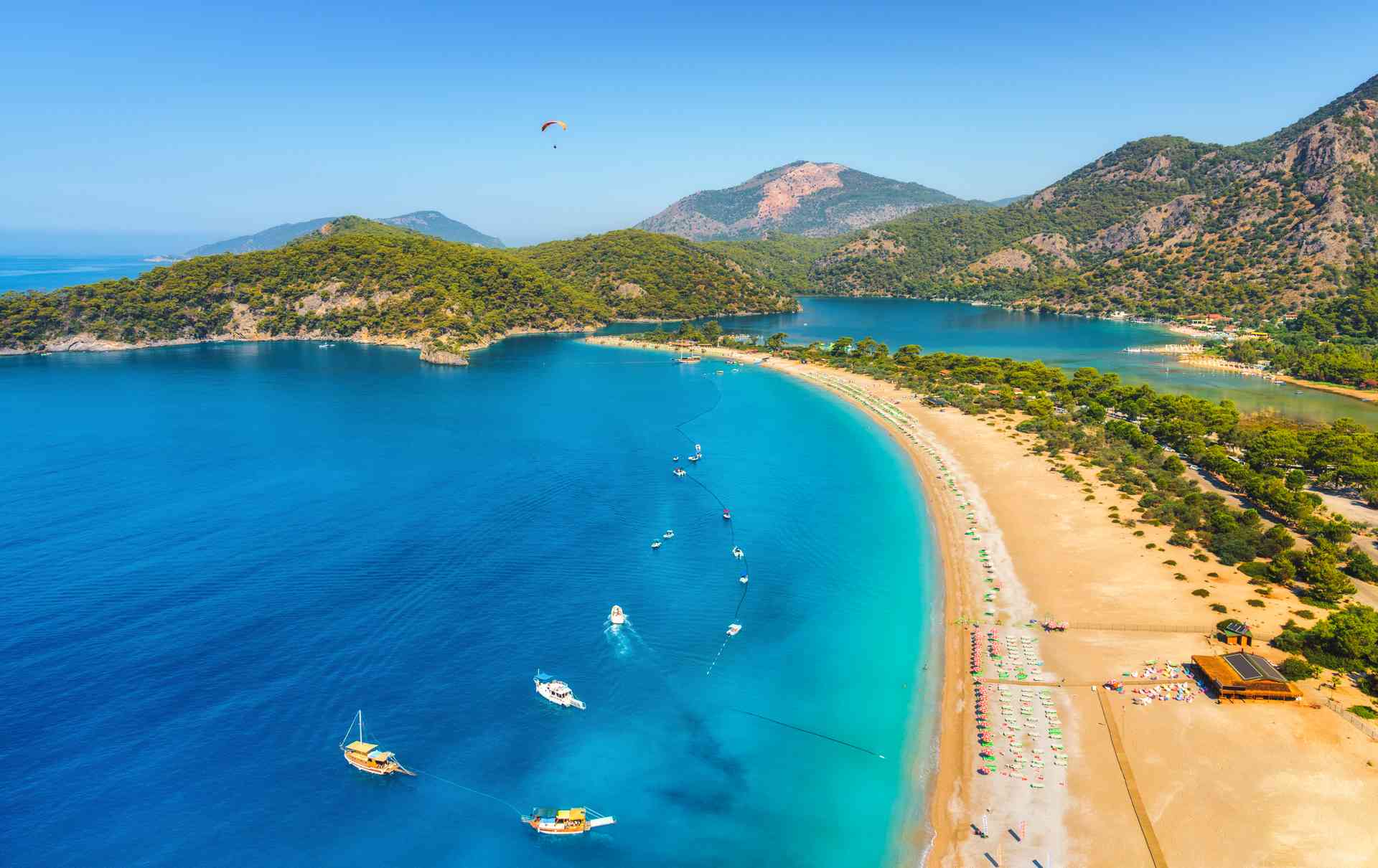
Turkey really knows how to do beach weather. It’s all about long, sunny days and proper warmth for most of the year, especially along the Mediterranean and Aegean coasts. Whether you’re after early spring sunshine or one last dip in autumn, there’s a stretch of Turkish sand ready to deliver.
There’s some regional variety to keep things interesting, too. Down in Antalya and Marmaris, the climate stays mild even in winter, while spots like Bodrum turn up the heat in summer. If you fancy exploring the Turkish Riviera or hopping over to islands like Bozcaada, you’ll notice slightly different vibes, but the sunshine is a common theme.
Seasons Overview
Spring (March - May): Spring in Turkey doesn’t mess about, jumping quickly from mild to properly warm. By March you’re looking at 18°C days, ramping up to a comfy 26°C come May. Rain eases off as the season goes on, and you’ll get loads of daylight, so it’s perfect for early holibobs or exploring the coast before the crowds arrive.
Summer (June - August): If you want guaranteed heat, summer’s your friend. June through August brings soaring temperatures from 31°C up to 35°C, barely-there rainfall, and the sea warming up to a balmy 29°C. Expect long, bright days and that classic sun-lounger weather - sunscreen is not optional.
Autumn (September - November): Autumn in Turkey feels like summer’s encore. September still hits 32°C, and the sea’s lovely at 27°C. It gradually cools, dropping to 21°C by November, but the water stays inviting. Rain starts to return in October and November, though there’s still a solid stretch of sunny hours most days. Late-season jollies are definitely on the cards.
Winter (December - February): Turkey’s winter is mild compared to much of Europe. Air temperatures in coastal regions hover between 15°C and 16°C, but you’ll notice more rain, with December topping out at 240mm. The sea only dips to 16°C - 17°C, so while it’s not peak beach weather, it’s far from frosty.
Best Time To Visit
For a classic beach holiday, June to September is top-tier. Air temperatures soar above 30°C, the sea is at its warmest (peaking at 29°C in August), and rain is almost unheard of. If you prefer things a touch cooler, May and October are also fantastic - still warm enough for sunbathing and sea swims, but with fewer crowds and a gentler pace. The Turkish coast is especially kind to early and late-season travellers, so you don’t need to stick to the school hols for the best of the weather.
Temp
25°C
Average high
Rain
85mm
Per month
Sun
9hrs
Per day
Humidity
61%
Average
| January | 15°C | 220mm |
|---|---|---|
| February | 16°C | 150mm |
| March | 18°C | 100mm |
| April | 22°C | 50mm |
| May | 26°C | 30mm |
| June | 31°C | 10mm |
| July | 35°C | 3mm |
| August | 35°C | 5mm |
| September | 32°C | 15mm |
| October | 27°C | 70mm |
| November | 21°C | 130mm |
| December | 16°C | 240mm |
Average weather in Turkey
- Jan15°CAvg. Rain: 220mm
- Feb16°CAvg. Rain: 150mm
- Mar18°CAvg. Rain: 100mm
- Apr22°CAvg. Rain: 50mm
- May26°CAvg. Rain: 30mm
- Jun31°CAvg. Rain: 10mm
- Jul35°CAvg. Rain: 3mm
- Aug35°CAvg. Rain: 5mm
- Sept32°CAvg. Rain: 15mm
- Oct27°CAvg. Rain: 70mm
- Nov21°CAvg. Rain: 130mm
- Dec16°CAvg. Rain: 240mm