
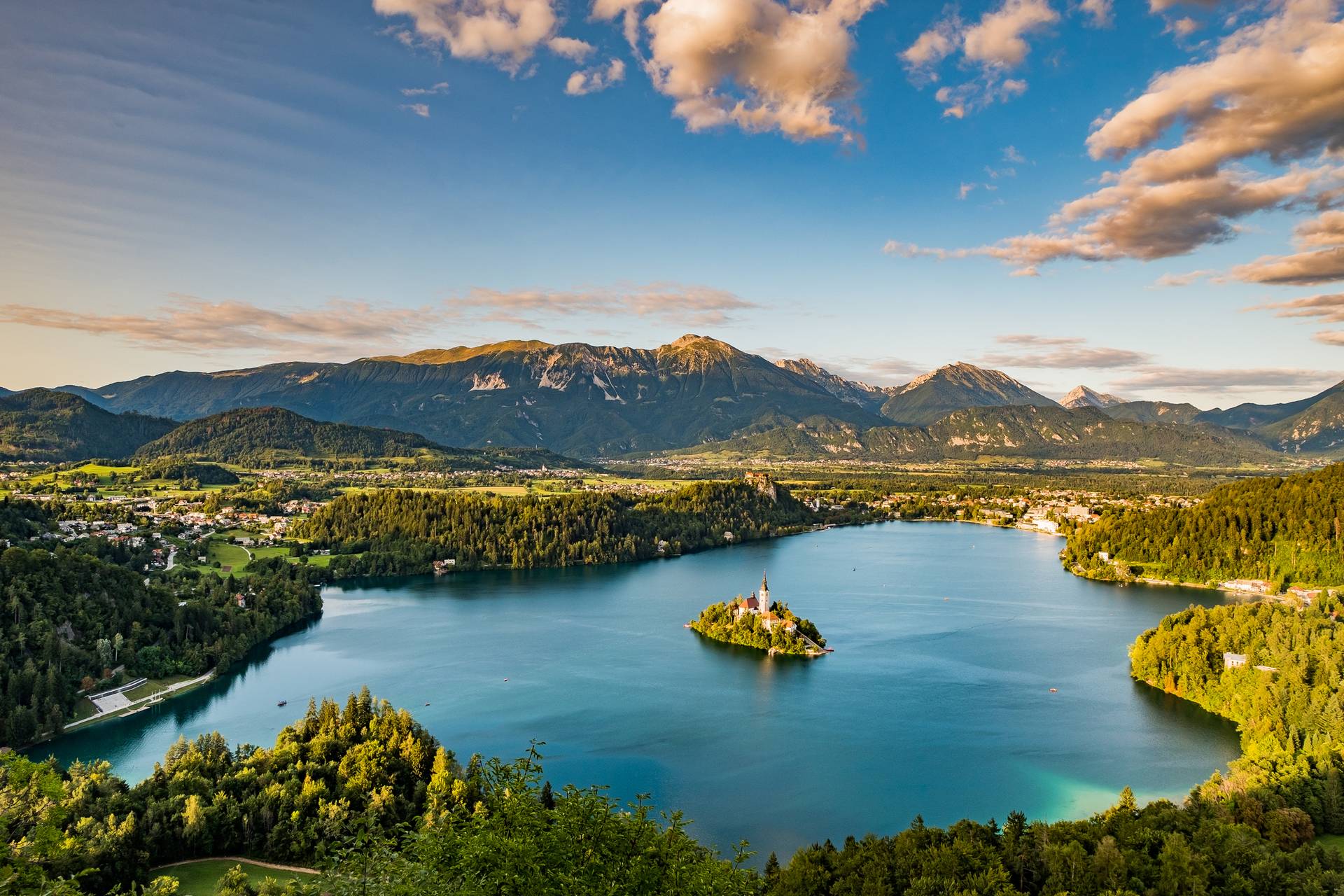
Climate Overview
Slovenia keeps things interesting with seasons that actually feel like seasons. Along its short Adriatic coast, you’ll get a proper taste of the Mediterranean, while the rest of the country brings a mix of Alpine and continental weather. The seaside towns like Piran enjoy milder winters and warmer, sunnier summers compared to the inland spots, so your holibobs can feel quite different depending on where you land.
In spring and autumn, Slovenia’s coast is lively but not too packed, with enough sun to tempt you outdoors and the odd shower to keep things green. Summer is the real showstopper here, when long days and warm air take centre stage. Just don’t expect any islands with their own special microclimates - Slovenia’s coastline is compact and easy to explore in a single trip.
Seasons Overview
Spring (March - May): Spring on Slovenia’s coast brings a steady climb from 14°C in March to 23°C by May, paired with sea temperatures creeping up from 11°C to 17°C. Rain is fairly steady but sunshine hours jump from 5 to 8 per day, so you’ll get longer, brighter days with that fresh, early-season energy.
Summer (June - August): Summer is when Slovenia’s seaside really turns it on: July and August hit a proper 30°C, while the sea warms up to a comfy 24-25°C. Expect up to 10 hours of sunshine a day and lower humidity, so you won’t feel sticky on the sand. Rainfall is low for the region and rarely gets in the way of a top-tier beach day.
Autumn (September - November): Autumn starts warm in September, with 25°C air and 22°C sea, but by November you’re down to 14°C and a 14°C dip. Rain picks up in October and November, so you’ll want a brolly handy, but there are still a few sunny hours to make the most of the views before winter arrives.
Winter (December - February): Winter on Slovenia’s coast is mild compared to the rest of the country, but you’ll still find air temperatures around 9-10°C and the sea at a chilly 10-11°C. Rainfall sits between 60-85mm per month and sunshine is in short supply, so beaches are quiet except for the odd brave local out for a stroll.
Best Time To Visit
For a classic beach holiday in Slovenia, aim for June to August. This is when you’ll get 27-30°C days, sea temperatures up to 25°C, and a generous 9-10 hours of sunshine. The humidity drops as well, so you can actually enjoy the heat without feeling like you’ve stepped into a sauna. May and September are good shouts if you prefer things a bit quieter, with warm enough air and sea for swimming. If you’re after winter sun, Slovenia keeps things mild but not balmy - it’s more about pretty views and peaceful walks than sunbathing in December.
Temp
19°C
Average high
Rain
80mm
Per month
Sun
6hrs
Per day
Humidity
67%
Average
| January | 9°C | 65mm |
|---|---|---|
| February | 10°C | 60mm |
| March | 14°C | 65mm |
| April | 18°C | 70mm |
| May | 23°C | 75mm |
| June | 27°C | 80mm |
| July | 30°C | 65mm |
| August | 30°C | 70mm |
| September | 25°C | 105mm |
| October | 19°C | 110mm |
| November | 14°C | 110mm |
| December | 10°C | 85mm |
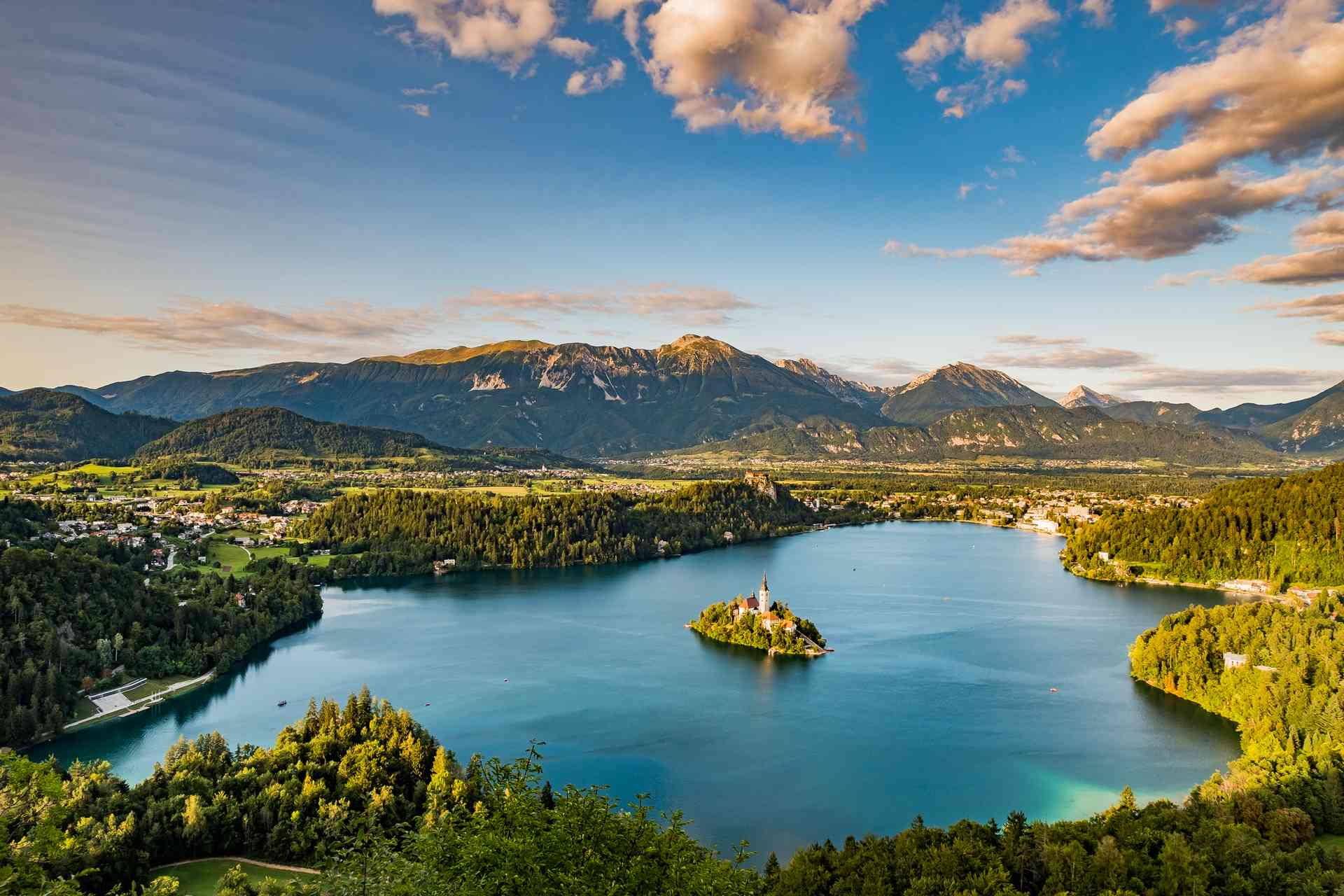
Average weather in Slovenia
- Jan9°CAvg. Rain: 65mm
- Feb10°CAvg. Rain: 60mm
- Mar14°CAvg. Rain: 65mm
- Apr18°CAvg. Rain: 70mm
- May23°CAvg. Rain: 75mm
- Jun27°CAvg. Rain: 80mm
- Jul30°CAvg. Rain: 65mm
- Aug30°CAvg. Rain: 70mm
- Sept25°CAvg. Rain: 105mm
- Oct19°CAvg. Rain: 110mm
- Nov14°CAvg. Rain: 110mm
- Dec10°CAvg. Rain: 85mm