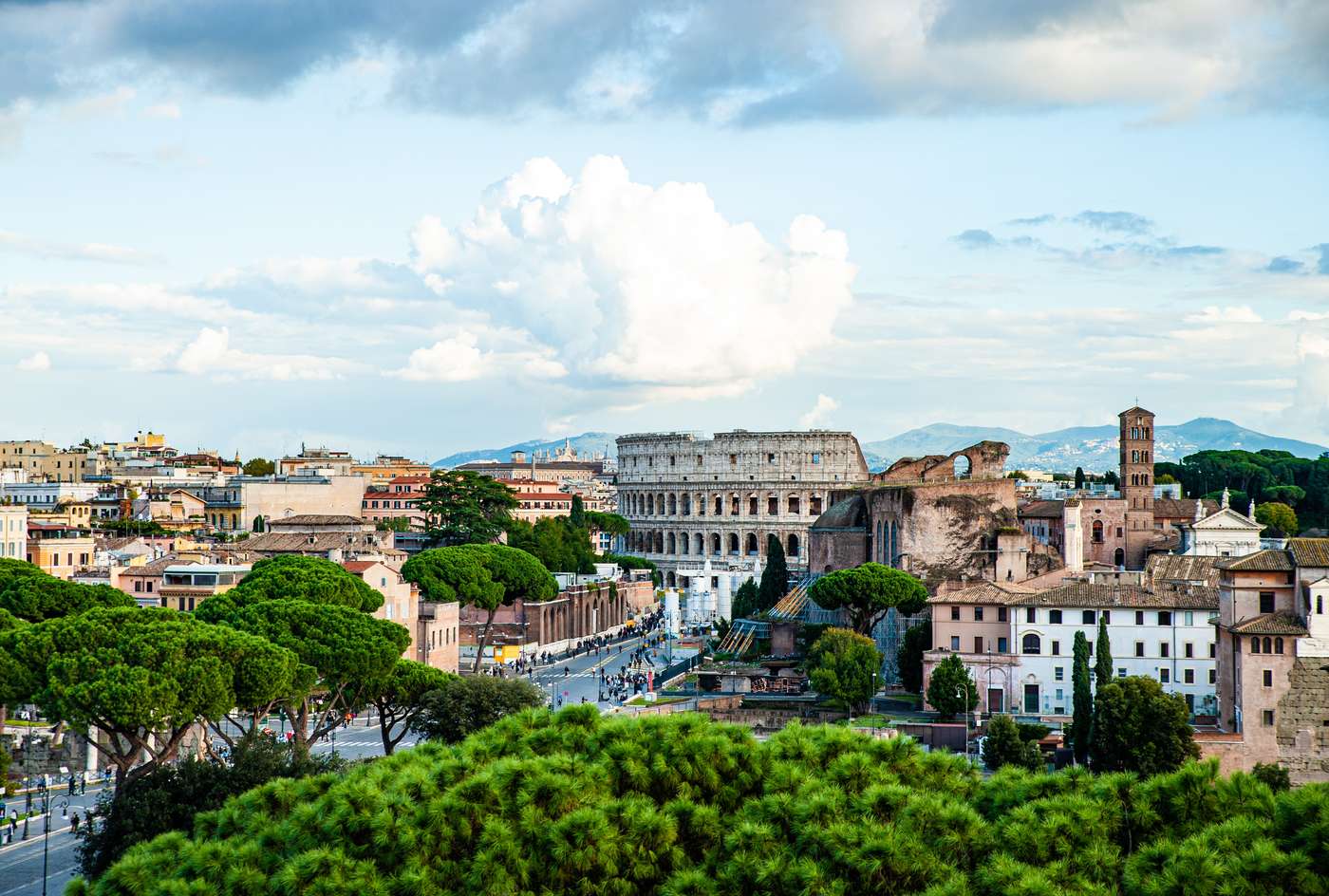
Rome packs more named landmarks into a square mile than anywhere else in Europe, The Colosseum, The Forum, The Trevi fountain. Once the centre of western civilization, it's a city everyone should visit (and when in Rome...)
What to expect from a holiday to Rome (including the Highlights)
Closer than you think - Flights run roughly three hours, a little longer from Edinburgh, Dublin and Belfast. Landing at Fiumicino, or Ciampino, Either airport has good connections to the centre. Book an early flight and you can be at the Colosseum by lunchtime.
Walkable history - Rome's centre is genuinely compact. The classic head-spinning sites (Colosseum, Forum, Pantheon, Trevi, Piazza Navona, Spanish Steps) sit inside an area you can cross on foot in 45 minutes.
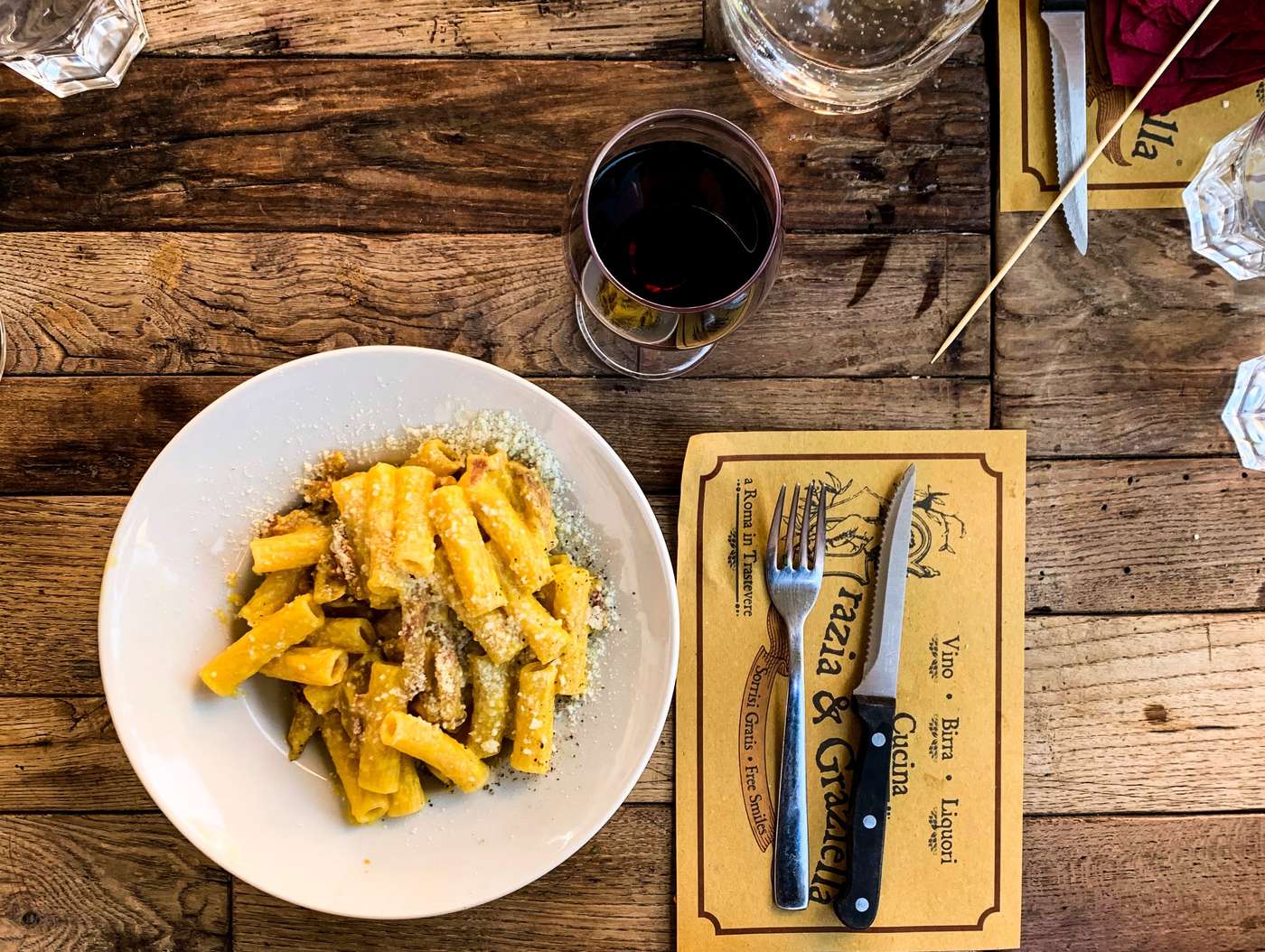
Roman cooking, not "Italian" - The four pillars of Roman pasta are carbonara, cacio e pepe, amatriciana and gricia. Try all four. Pizza romana comes thin and crisp. Supplì (fried rice balls with a melted mozzarella centre) cost a couple of euros and are everywhere.
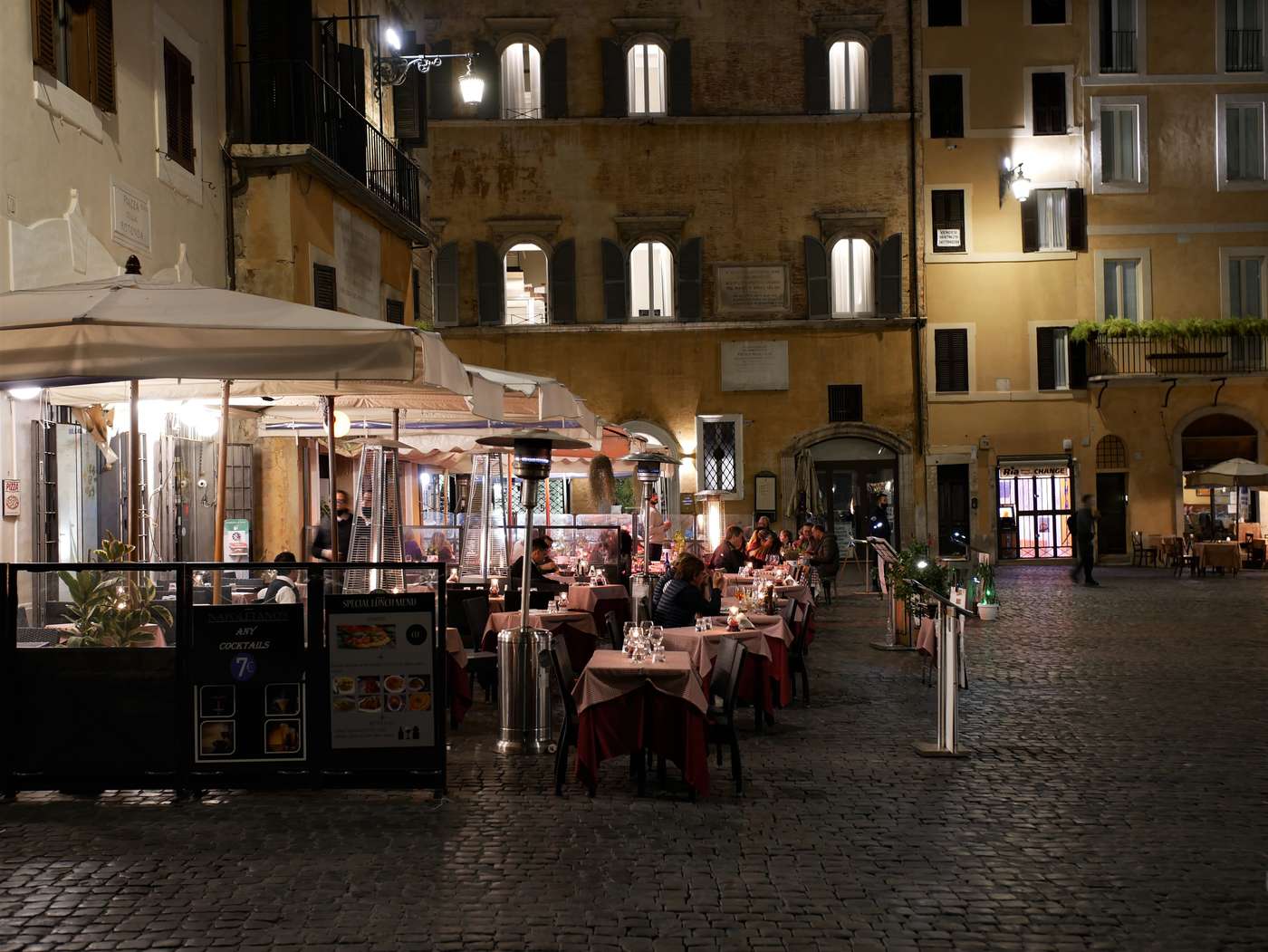
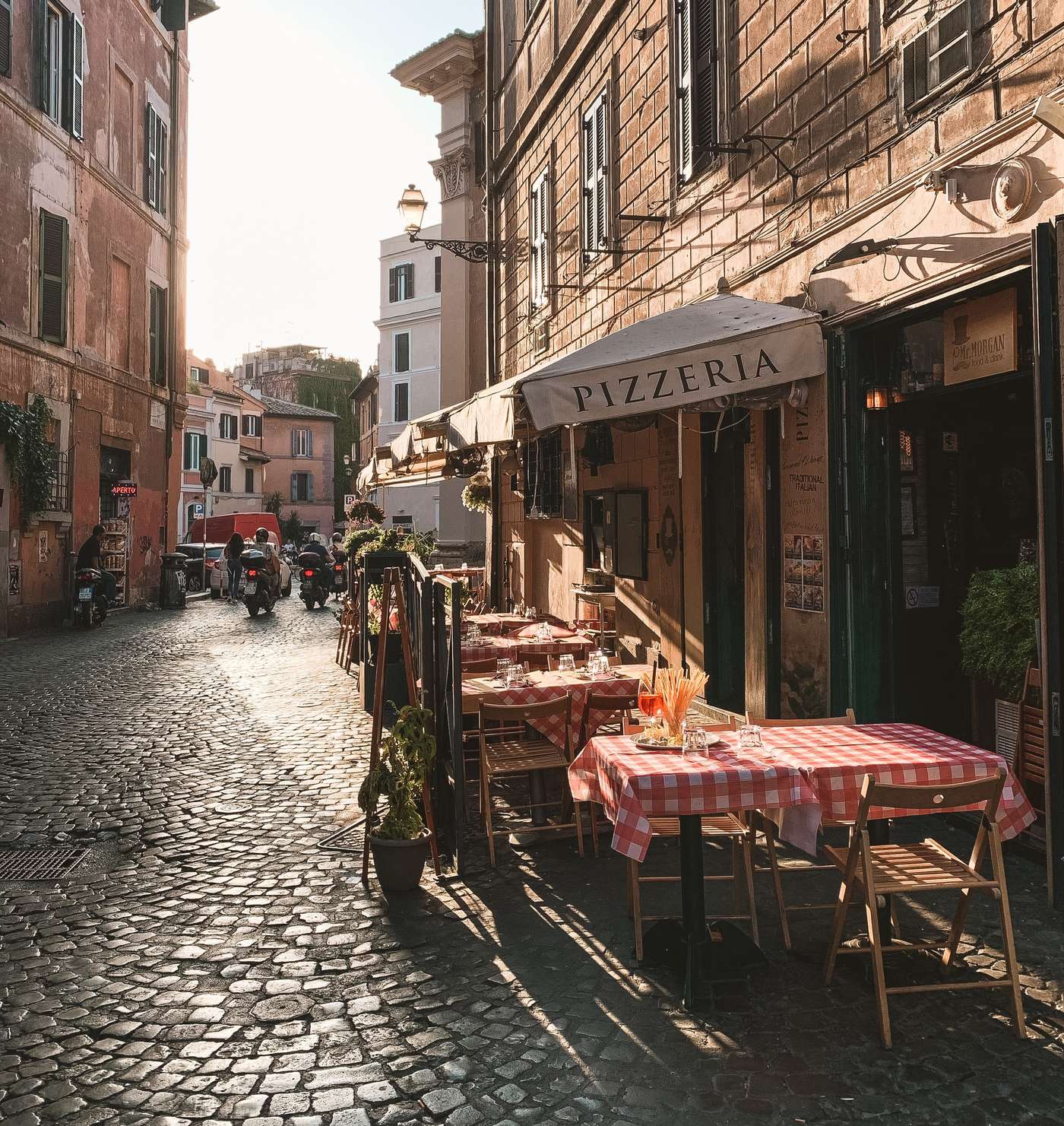
Neighbourhoods that feel different - Trastevere for cobbled streets and dinner. Monti for vintage shopping and aperitivi. Testaccio for the city's best food market and proper Roman dining. Prati for the Vatican.
What it actually costs - The flight and the room come as one price when you book with us. After that, Rome's big costs are eating, drinking and sightseeing. With a bit of planning you can see the Colosseum, Forum and Palatine on one ticket for €18, the Vatican Museums and Sistine Chapel €25 booked online, the Galleria Borghese €18, the Pantheon €7. Do all of that and the sightseeing comes to €80 (ish) a head for a long weekend. Everything else is up to you: eat standing rather than sitting, buy lunch at a market, and Rome can be much cheaper than its reputation.
Good to Know - Holidays to Rome 2026
💷 Money - The euro (€). Cards work almost everywhere; small cash for the morning espresso, the supplì stall, and any market shopping. Tipping is appreciated but not expected.
🏨 Tourist tax - Rome charges a per-person, per-night tax on hotel stays: €6 in a three-star, €7.50 in a four-star, €10 in a five-star, and €6 in a B&B or apartment. Capped at 10 consecutive nights. Under-10s exempt. It is not in your booking price and is settled with the accommodation.
🍝 One pricing rule that catches everyone - Sitting down to eat costs more than standing. A cappuccino at the bar is around £1.50/€1.80; the same cappuccino at a table can be £4/€5. There's no scam, it's the law.
⛲ The new Trevi rule - Since February 2026 there's a €2 access ticket to enter the Trevi Fountain area. Open 09:00 to 22:00 Tuesday - Thursday and Sat - Sun, and open from 11:30am on Mondays and Fridays, last entry 21:00. The square around the fountain is still free.
📚 A fun fact - Roman concrete is self-healing. Modern concrete cracks in decades; the Pantheon's dome is the largest unreinforced concrete dome on Earth and has been standing for nearly 2,000 years. MIT researchers worked out why in 2023: chunks of unmixed lime react with water to seal cracks as they appear. The ancient Romans were wise beyond their time.
"If you want the Trevi Fountain without a hundred people in your photos, set your alarm for 6am, it's worth every second of lost sleep. Seeing the Colosseum is non-negotiable, and find a restaurant nearby with a rooftop view for dinner afterwards because the photos are something else. Da Gino al Parlamento is the one restaurant I'd tell everyone to find - not a tourist trap, full of locals, and the oxtail and pistachio mousse are the best things I've eaten in Italy (an extremely high bar). Rent a Vespa for at least one day, you'll end up in streets and squares you'd never have found on foot. Watch your bags in the city centre, keep your valuables close and your money closer. And build in coffee and gelato stops every hour or so, you'll be walking more than you think and Rome has approximately one ice cream shop per ten metres, which turns out to be exactly the right number. Don't book bars in advance either, just wander at night and see what pulls you in!"
- Rob Brooks, OtB Holiday Expert
Rome is perfect for you if...
You have never been and want all the famous things. The Colosseum, the Forum, the Pantheon, the Trevi Fountain and the Vatican are all in one city and most of them are in one walk. Very few places give you that much on a first visit.
You would rather eat than shop. Roman cooking is its own thing, not "Italian food": four pastas, thin crisp pizza, artichokes, supplì, and a market in Testaccio where the locals go to buy their lunch.
You want a short trip that feels long. Two and a half to three hours in the air, one hour's time difference, and a centre you can cross on foot. Three nights is genuinely enough, which is why Rome works as a long weekend.
You are bringing older children. Everything they have studied at school is standing in front of them, and the Colosseum is free for under-18s. Rome rewards a nine-year-old more than almost any city in Europe.
You don't mind doing a bit of planning. The big sites are timed-entry now and the good ones sell out. Book the Colosseum, the Vatican and the Galleria Borghese before you fly and Rome is easy; turn up hoping and it is not.
What are the best sights to see on your holidays to Rome?
When in Rome… you do everything! This ancient city is basically one giant open-air museum, sprinkled with espresso bars, gelato stands, and gladiator selfies waiting to happen. Whether you’re here to toss a coin in the Trevi or channel your inner Russell Crowe, these sights are a must-see on your city break to Rome.
The Colosseum – the big one, the icon, the “I came, I saw, I took 300 photos” landmark. Once home to gladiators and emperors, it’s now one of the most jaw-dropping historical sites on the planet. Bonus tip: book a skip-the-line ticket (avaliable exactly 30 days in advance and they sell out fast) unless you really fancy queuing in the Italian sun.
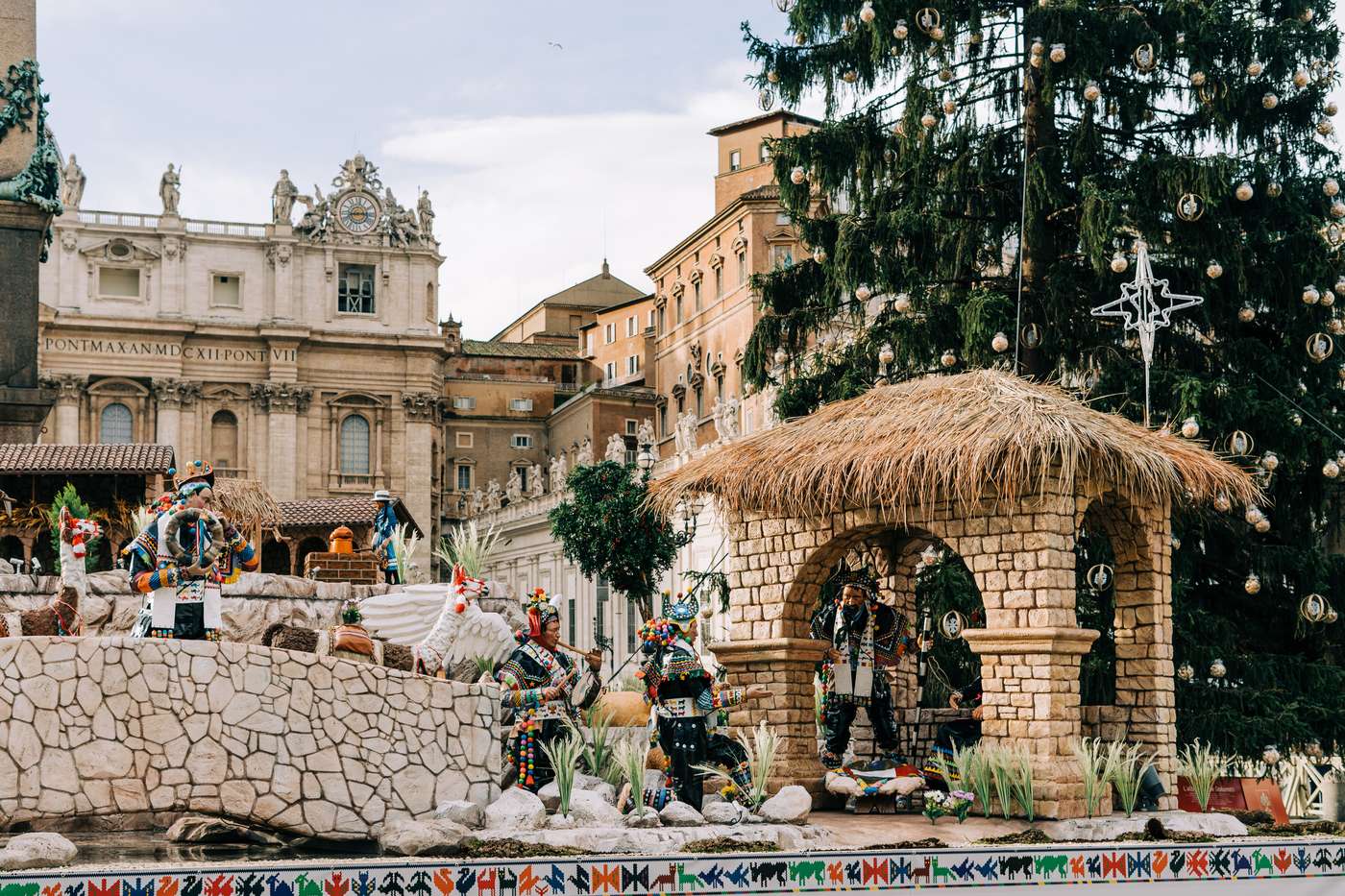
The Vatican City – technically its own country, but we’ll let that slide. Home to St Peter’s Basilica, the Sistine Chapel, and enough art to make your camera battery weep. Even if you’re not into art, that ceiling is worth the neck ache.
Trevi Fountain – grab a gelato, make a wish and toss a coin (right hand over left shoulder, of course). Legend says one coin means a return to Rome, two means love, and three… means you’re moving there. Ciao, bella!
Pantheon – it’s over 2,000 years old and still standing strong - not bad, right? This temple-turned-church has one of the largest domes in the world and a hole in the roof (on purpose), so if it rains, you’re in for a magical moment.
Piazza Navona – a lively square filled with street performers, fountains, and that Italian energy that makes you want to linger with a spritz in hand. Perfect for people-watching and soaking up la dolce vita.
🏖️ Where to Stay on your Rome Holidays 2026/2027
💑 Where should couples stay in Rome?
Trastevere is the classic romantic choice, cobbled lanes, ivy-covered facades, dinner spots that spill out under fairy lights. For something grander and more centre-of-everything, the Spanish Steps area puts you a short walk from the Trevi Fountain, designer shopping on Via Condotti, and the rooftop bars overlooking the rooftops.
👨👩👧 Which part of Rome is best for families?
Prati is the family-friendly favourite, a calmer, leafier grid of streets that's still close to the Vatican and a short metro hop from the centre. Vatican area itself works for families who want to walk to St Peter's in pyjamas, and Aurelio gives you bigger rooms for less money with a 10-minute bus ride into town.
👬 Where should groups stay in Rome?
The area around Termini station is where to base a group, best transport links to the airports, cheapest taxi rides at 1am, the most late-night food and bars within stumbling distance, and the broadest range of room types if some of you want a twin and some of you want a king.
💰 Where are the best value areas to stay in Rome?
Termini and Via Veneto are where the value picks cluster. Termini puts you on top of the airport train and metro lines; Via Veneto gives you a more elegant base for not much more money, with a 20-minute walk down to the Spanish Steps and the Trevi.
💎 What are the most luxurious areas to stay in Rome?
Villa Borghese is Rome's smartest postcode, five-star hotels with proper gardens, walking distance to the Galleria Borghese and Via Veneto, a quiet end to the day after the centre. Spanish Steps gives you central luxury with shopping on the doorstep.
🗣️ Local Lingo
English gets you through almost any tourist encounter in Rome, but throwing a few Italian words around earns you a smile and sometimes a slightly better seat.
Ciao, chow, Hi / bye (casual)
Salve, SAHL-veh, Hello (polite, used Rome-wide where other cities use buongiorno)
Per favore, pair fah-VOR-eh, Please
Grazie, GRAH-tsee-eh, Thank you
Un caffè, oon kah-FEH, An espresso (just "caffè", never "espresso" at the bar)
Il conto, per favore, eel KON-toh pair fah-VOR-eh, The bill, please
Last-minute Rome breaks
Rome is one of the easiest cities in Europe to book late. Flights run several times a day from most UK & Ireland airports, there is nothing to arrange between the airport and the hotel beyond a train ticket, and there is no season you have to avoid: the Colosseum, the Forum and the Pantheon are the same in February as they are in June (and a lot less crowded.)
Rome also has more hotels than almost any European city, so late availability is normal rather than lucky. Where it gets tight is Easter, the first weekend of any month (free entry at the state museums), and the run-up to Christmas.
One thing to sort before you fly, however late you book: the big sites are timed-entry now. Colosseum tickets are released exactly 30 days ahead and go quickly, the Galleria Borghese sells out weeks in advance, and the Vatican Museums fill from opening. Book those the day you book the trip and everything else in Rome can be decided on the morning.
🏨 Rome Hotels 2026/2027
💑 What are the best hotels in Rome for couples?
Trevi Palace Luxury Inn - A five-room townhouse literally around the corner from the Trevi Fountain, one or two minutes on foot. Small, dark-wood and quiet despite the postcode, with the kind of service you only get somewhere this size.
Stendhal Luxury Suites - Suites a few minutes from the Trevi in the streets behind the fountain, and the highest-rated place we sell in central Rome. Design-led, intimate, and a short walk from the Pantheon and the Spanish Steps.
Hotel Diana Roof Garden Rome - Six minutes' walk from the Trevi Fountain, with rooftop dining and the dome of St Peter's on the skyline. A quiet street despite the central location.
👨👩👧 What are the best family hotels in Rome?
Hotel Colosseum - Three-star in Monti with family rooms, triples and quads, and a rooftop terrace with a 360-degree view. A short walk downhill to the Colosseum and the Imperial Forums, which is the whole point of bringing children to Rome.
Starhotels Michelangelo - Four-star 450 metres from St Peter's Square, under ten minutes on foot, with family, triple and quad rooms and a restaurant on site. The best Vatican-doorstep address on this list for anyone who does not want to walk far at the end of a long day.
Marcella Royal - Rooftop Garden - Four-star just off Via Veneto with family rooms among eleven room types, a roof garden and bar with dome views, and Repubblica metro round the corner. Walkable to the Trevi, the Spanish Steps and Villa Borghese.
👬 What are the best hotels in Rome for groups?
Hotel Cellini - Six rooms on one floor of a 19th-century palazzo near Repubblica, two minutes from the metro and ten from Termini. A group can effectively take the whole place and have it to themselves.
The Building - Four-star near Termini and Castro Pretorio with a big spread of doubles, triples and junior suites, a piano bar, a restaurant and a terrace over the Aurelian walls. The best-connected base in Rome for a group arriving on different flights.
Best Western Hotel Piccadilly - Reliable mid-range with rooms that sleep three or four, in the streets south of the centre with the Colosseum around twelve minutes' walk away.
💎 What are the best luxury hotels in Rome?
Parco dei Principi Grand Hotel & Spa - Five-star looking onto Villa Borghese, set in its own botanical garden with an outdoor pool ringed by grown trees, a spa and a balcony on every room. A quiet evening after a noisy day in the centre.
Rome Marriott Grand Hotel Flora - At the top of Via Veneto by Porta Pinciana, with the Villa Borghese gardens next door and the Spanish Steps a walk downhill. The most central five-star on this list.
💰 What are the best value hotels in Rome?
TH Roma - Carpegna Palace - Four-star in Aurelio at central three-star money, with two restaurants, a wellness centre and a private garden onto Villa Carpegna park. Cornelia metro is five minutes' walk and the centre is under fifteen from there.
Villa San Lorenzo Maria - Three-star in the San Lorenzo student district with breakfast included, a garden and a restaurant, and a tram stop outside the door. Half an hour's walk to the Colosseum or a few minutes on the tram.
Cheap Rome city breaks
Rome is cheaper than its reputation, as long as you know which bits cost money. The Forum, the Colosseum and the Vatican are ticketed, but the Pantheon is five euros, the Spanish Steps, Piazza Navona, the Trevi Fountain and the whole of Trastevere are free to walk around, and the best view in the city is from the Aventine orange garden, which costs nothing at all.
Where you save is the room and the eating. Stay around Termini or out in Aurelio and you will pay a fraction of Spanish Steps rates for a fifteen-minute metro ride. Eat standing at the bar rather than sitting at the table and the same coffee costs a quarter as much. Buy lunch at Testaccio market like the Romans do, and eat dinner in Trastevere or Pigneto rather than anywhere with a view of a monument.
Timing does the rest. November to March, avoiding Christmas and Easter, is the cheapest Rome gets and the queues are shortest, and the state museums are free on the first Sunday of every month.
What are the cheapest hotels in Rome?
These might not be the cheapest per se (that can vary week to week, so to see that use the search bar at the top and filter by price) but they're some of our favourite Rome hotels for those of you on a budget...
Villa San Lorenzo Maria - Three-star in the San Lorenzo student district with breakfast included, a garden, and a tram outside the door. It is about half an hour's walk to the Colosseum or a few minutes on the tram, which is the trade for the price.
TH Roma - Carpegna Palace - Four-star in Aurelio with two restaurants, a wellness centre and a private garden backing onto Villa Carpegna park. Cornelia metro is a five-minute walk and the centre is under fifteen minutes from there.
Starhotels Michelangelo - Four-star 450 metres from St Peter's Square, with its own restaurant. A Vatican-doorstep address at a price Judas wouldn't even get out of bed for.
🗺️ Rome Holidays 2026/2027 - Travel Guide
👨👩👧 What is there to do in Rome with kids?
Explora Children's Museum in Flaminio is genuinely good for under-10s. Hands-on exhibits and timed sessions four times a day, closed Mondays. Book ahead for weekends and school holidays.
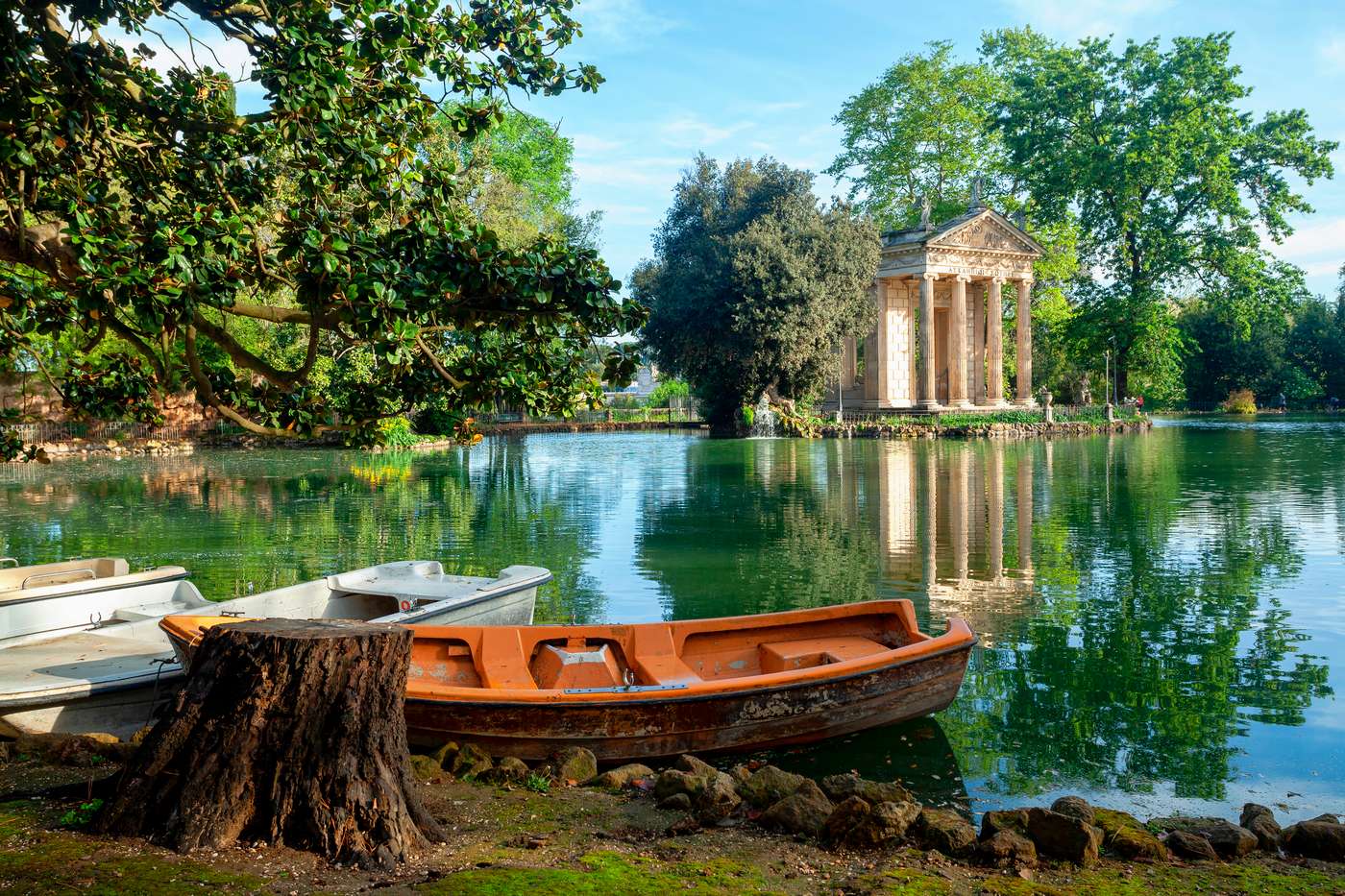
Borghese Gardens above the Spanish Steps have rowing boats on the lake, a small zoo (Bioparco), and bike hire that takes you through pine-shaded paths away from traffic.
Colosseum queue-skipping is easy if you book the timed combined ticket online. Tickets are released exactly 30 days ahead and go fast, so set a reminder. Children under 18 are free but still need a (free) reservation, and tickets are issued in the traveller's name with ID checked at the door.
Giolitti near the Pantheon is the gelato benchmark. Three generations old, dozens of flavours. Order at the counter and eat it standing, because the seated area is waiter service with its own menu and you cannot sit down with a cone you bought inside.
The Vatican Museums can work with kids if you book the first 08:00 slot and head straight to the Sistine Chapel before the school groups arrive. Otherwise, reader be warned, it is often 90 minutes of slow shuffling to get in.
Metro Line C now runs to the Colosseum. The Colosseo/Fori Imperiali station opened in December 2025 and is an archaeo-station, with the finds from its own excavation on display behind glass. Worth ten minutes on the way in.
💑 What are the best things to do in Rome for couples?
Sunset from the Aventine is the most romantic free thing in Rome. The orange garden faces west over the Tiber, and the Aventine Keyhole next door frames St Peter's dome through a literal keyhole. Still free, still unticketed, quietest early or at dusk.
Dinner at Roscioli on Via dei Giubbonari 21 is the foodie benchmark. Wine bar, deli and trattoria across three rooms, in the 2026 Michelin Guide. Book well ahead; the room is small and it fills.
The walk from Piazza Navona to Trevi via the Pantheon is six minutes if you rush it and an hour if you stop for an Aperol at every piazza. Do it slowly.
Galleria Borghese holds two hours of the best art per square metre in Europe, Bernini sculptures and Caravaggio paintings, in fixed two-hour slots. Slots are released a couple of months ahead and the morning ones can go within hours, so book it the day you book the flights.
Lunch in Trastevere on a weekday is the perfect long-afternoon plan. Sundays and weekend evenings are packed.
Opera under the stars is a Roman summer institution. The Teatro dell'Opera's outdoor season has moved to the Circus Maximus while the Baths of Caracalla are restored, and it runs from late June. Check the programme before you fix your dates.
👬 What is there to do in Rome for groups?
Campo de' Fiori in the late afternoon is where you start. Cheap wine and standing-room aperitivi before dinner.
Trapizzino does the best Roman street food for groups. Folded pizza pockets stuffed with traditional fillings, takeaway or stand-up only, six locations across the city including the original in Testaccio.
Testaccio food market (Monday to Saturday, mornings through to mid-afternoon) is where Romans shop. Buy lunch from a dozen stalls and eat it at the communal tables.
Nightlife by neighbourhood: head to Pigneto for grungy bars and live music, Monti for craft cocktails, or stay in Trastevere for the all-rounder option.
Vespa tours work well if there are four or fewer of you. Half a day, guided rides through neighbourhoods you would not otherwise reach, and the sunset version is worth the extra.
Stadio Olimpico for a Roma or Lazio match is the best group night out going. Derby days are intense, regular fixtures are family-friendly, and tickets go through the club websites.
🌍 More Italy
Italy - from the Amalfi Coast to the lakes, la dolce vita at its finest
Sardinia - white sand beaches, turquoise water and rugged mountain scenery on Italy's second-largest island
Sicily - ancient Greek temples, Mount Etna, arancini and some of the best food in the Mediterranean
Sorrento & Amalfi Coast - lemon groves, clifftop villages, Vesuvius views and ferries to Capri and Pompeii
Lake Garda - Italy's biggest lake with mountain-backed towns like Sirmione, Gardaland theme park and day trips to Verona
Lake Como - elegant villas, mountain backdrops and ferry-hopping between Como and Bellagio
Tuscany - rolling vineyards, medieval hilltop towns, Florence's Renaissance art and the Leaning Tower of Pisa
Venice - canals, gondolas, St Mark's Square and one of the most unique cities on earth
Naples - the birthplace of pizza, gateway to Pompeii and Vesuvius, and proper chaotic Italian charm
Puglia - trulli houses, olive groves, Lecce's baroque architecture and Italy's best value beach holidays
Milan - fashion capital, the Duomo, the Last Supper and aperitivo in the Navigli district
Popular Rome hotels
More Rome hotelsWeather in Rome
JAN
FEB
MAR
APR
MAY
JUN
JUL
AUG
SEP
OCT
NOV
DEC
The weather in Rome! It’s basically the drama queen of European weather – sizzling summers, dreamy springs, and those moody-but-beautiful winter vibes. One thing’s for sure: whatever the season, Rome always brings the sunshine (and if it doesn’t, there’s always wine).
Let’s break it down. Spring (March to May) is the sweet spot – think blue skies, blossoming gardens, and comfy temps around 12°C to 22°C. Perfect for sightseeing without melting into your Aperol. Summer (June to August) cranks up the heat with highs between 25°C and 35°C, so expect long, sunny days and plenty of excuses for multiple gelato stops. Locals actually leave town in August to escape the heat – smart move.
Autumn (September to November) is when things mellow out. Temperatures hover between 14°C and 25°C, the crowds thin, and the sunsets? Bellissimo. It’s a fab time for exploring and al fresco dining without breaking a sweat. Winter (December to February) is Rome’s quietest season, with temperatures sitting between 4°C and 14°C. It’s cooler, calmer, and ideal if you fancy wandering the ancient streets without the summer rush.
So, when’s the best time to visit? Late April to early June and September to October are your golden tickets – warm, bright, and full of that Roman magic. But honestly, whether it’s blazing sunshine or soft winter drizzle, Rome always looks good in any weather. Just don’t forget your sunnies – even the ruins sparkle here!
View destination on a map
View destination on a map
FAQs
How long does it take to fly to Rome?
How long does it take to fly to Rome?
It takes around two and a half hours to fly to Rome from the UK.
What's the time difference between the UK and Rome?
What's the time difference between the UK and Rome?
The local time in Rome is one hour ahead of the UK.
What currency do they use in Rome?
What currency do they use in Rome?
The official currency used in Rome is the Euro.
What language do they speak in Rome?
What language do they speak in Rome?
The official language spoken in Rome is Italian.
How far in advance should I book the Colosseum?
How far in advance should I book the Colosseum?
As soon as humanly possible. Tickets for the Colosseum and Vatican sell out weeks (sometimes months) in advance. If you leave it until you arrive, you’ll either be paying double for a scalper’s ticket or missing out entirely - get it booked before you fly!
What’s happening with the Trevi Fountain crowds?
What’s happening with the Trevi Fountain crowds?
Rome is cracking down on the chaos. There are new trials restricting how many people can stand right by the water at one time (sometimes limiting it to a few hundred). You might not be able to get that solo "Lizzie McGuire" movie shot anymore, but at least you won't get an elbow in the ribs while tossing your coin.
When is best to visit Rome?
When is best to visit Rome?
April-May and September-October are the sweet weeks: temperatures in the low-20s, daylight stretching past 7pm, but without the August furnace or the Christmas-market crowds. July and August are hot (regularly 35°C-plus) and many Romans leave town themselves, so some smaller restaurants close. November to March is properly off-season: cheaper hotels, no queues at the Vatican, but expect grey skies and the odd cold day.
What is the food like in Rome?
What is the food like in Rome?
Roman cooking is built on four pasta dishes:
carbonara (egg, guanciale, pecorino, black pepper, never cream),
cacio e pepe (just pecorino and pepper, melted into pasta water),
amatriciana (tomato, guanciale, pecorino)
gricia (the same as amatriciana without the tomato).
Try all four.
For a benchmark Roman meal, Roscioli (Via dei Giubbonari 21) is in the 2026 Michelin Guide and books out two weeks ahead, get the carbonara. For street food, Trapizzino does folded pizza pockets stuffed with classic Roman fillings for under £4 / €5.
How many days do I need in Rome?
How many days do I need in Rome?
Three full days is the minimum for the highlights, Colosseum and Forum on one day, Vatican and centro storico on another, with a slower third day for Trastevere and a museum or two. Four days lets you add a half-day trip out to Ostia Antica or a proper lunch in Testaccio. Five days starts to feel comfortable, you'll repeat-visit a couple of piazzas and start eating like a Roman, lunch later, dinner at 9.
How do I get around Rome?
How do I get around Rome?
The centre is walkable: most of what you want to see is inside a 45-minute walk from the Spanish Steps. Beyond that, the Metro (three lines, €1.50 single ticket) connects Termini, the Colosseum, the Spanish Steps and the Vatican. Buses cover the gaps, but be patient with timing. Avoid taxis at rush hour; Rome traffic is genuinely worse than London. For day trips, the regional train from Termini gets you to Ostia Antica in 30 minutes.