
Climate Overview
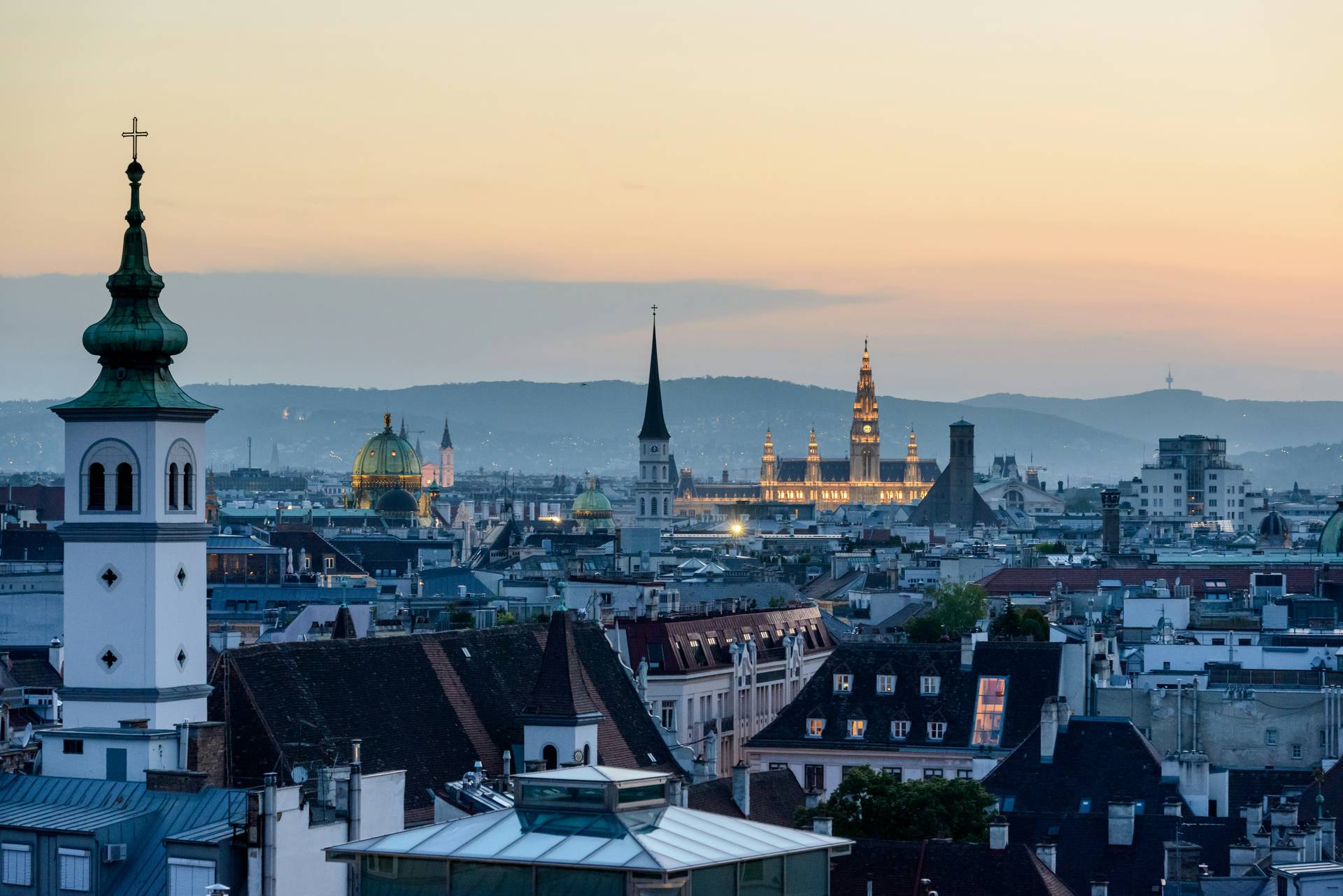
Austria’s climate is a proper mix, with fresh winters, gentle springs and lively summers that make the most of long daylight hours. You’ll find cooler conditions in the Alps, where mountain breezes keep things crisp year-round, while the eastern lowlands tend to warm up sooner and stay milder into autumn. Each season brings its own mood: think snowy slopes in winter and green valleys in summer, with city breaks in Vienna or Salzburg shaped by the shifting weather.
There’s no coastline here, so if you’re after sea and sand, Austria’s lakes become the centrepiece. Regions like Carinthia and Salzkammergut are famous for their lakeside escapes, where local weather can be a touch warmer and sunnier, especially from late spring through August. The vibe changes with the season, but every part of Austria has its own charm for holibobs, whether you’re after mountain air or waterside lounging.
Seasons Overview
Spring (March - May): From March to May, Austria shakes off winter with steadily rising temperatures and more sunshine. The air moves from a cool 10°C in March up to 21°C by May, and daylight stretches to 8 hours a day. Rainfall does pick up in May, so pack a brolly for those spontaneous showers, but most days feel bright and inviting. Lakeside towns start to buzz and city parks turn green, giving your jollies a fresh, optimistic feel.
Summer (June - August): Summer in Austria is all about warmth and long days. June through August sees air temperatures peak at 27°C, with up to 10 hours of sunshine daily. Humidity stays comfortable, and while there’s a bit more rain - about 68-72mm per month - it’s balanced by plenty of sun. The lakes are the go-to for swimming and lounging, as the mountain regions offer cooling breezes. Not quite scorchio, but the atmosphere is lively and top-tier for outdoor fun.
Autumn (September - November): September brings a gentle cool-down, with air temperatures easing from 21°C in early autumn to 8°C by November. Sunshine drops to 2-7 hours per day, and humidity creeps up, especially as you hit November. Rain is fairly steady, so expect a mix of crisp, sunny days and the occasional grey spell. City life gets cosier as leaves turn, and lake areas wind down, but the landscape stays inviting for walks and autumn jollies.
Winter (December - February): December through February is brisk, with air temperatures hovering between 3°C and 5°C. You’ll see just 2-3 hours of sun each day, and humidity runs high, topping out at 84%. Rainfall is modest, but snow is a regular guest, especially in the mountains. Austria’s winter is more about festive markets and ski trips than beach lounging - think mulled wine, twinkling lights, and plenty of layers, rather than sunbathing.
Best Time To Visit
Austria isn’t your classic beach destination, but for lakeside holidays, late spring and summer are the clear winners. From May to August, temperatures climb from 21°C up to a lively 27°C, sunshine hours peak at 8-10 per day, and the vibe around Carinthia and Salzkammergut lakes is unbeatable. Rain does pick up a bit, but the balance of warmth and light means you’ll want to be outdoors. If you fancy swimming or watersports, these months are your best bet - though you’ll need to swap sea for freshwater. Winter is more for skiers than swimmers, so aim for summer holibobs if you’re after those top-tier lake days.
Temp
15°C
Average high
Rain
51mm
Per month
Sun
6hrs
Per day
Humidity
71%
Average
| January | 3°C | 38mm |
|---|---|---|
| February | 5°C | 32mm |
| March | 10°C | 44mm |
| April | 16°C | 42mm |
| May | 21°C | 65mm |
| June | 24°C | 72mm |
| July | 27°C | 70mm |
| August | 27°C | 68mm |
| September | 21°C | 55mm |
| October | 15°C | 40mm |
| November | 8°C | 48mm |
| December | 4°C | 42mm |
Average weather in Austria
- Jan3°CAvg. Rain: 38mm
- Feb5°CAvg. Rain: 32mm
- Mar10°CAvg. Rain: 44mm
- Apr16°CAvg. Rain: 42mm
- May21°CAvg. Rain: 65mm
- Jun24°CAvg. Rain: 72mm
- Jul27°CAvg. Rain: 70mm
- Aug27°CAvg. Rain: 68mm
- Sept21°CAvg. Rain: 55mm
- Oct15°CAvg. Rain: 40mm
- Nov8°CAvg. Rain: 48mm
- Dec4°CAvg. Rain: 42mm